Map of Tanzania showing national parks and safari destinations including Serengeti and Ngorongoro

YOUR TANZANIA PRACTICAL INFORMATION

What Is the Best Time to Travel to Tanzania?

The best time to travel to Tanzania depends on what you would like to experience. Wildlife viewing, landscapes, weather conditions, and the overall atmosphere all change with the seasons. There is no single “perfect” time — Tanzania offers rewarding experiences throughout the year.

Dry Season — June to October & December to February

The dry season is the most popular time for safari travel. From June to October, animals gather around rivers and water sources, making wildlife easier to spot. This period is also ideal for experiencing the Great Migration in the Serengeti.
The months December to February are warm and mostly dry, with excellent game viewing and greener landscapes. This is also a beautiful time to see young animals in several parks.

Green Season — March to May & November

During the green season, Tanzania becomes lush and vibrant. March to May brings heavier rains, usually in short bursts, followed by clear skies. The parks are quieter, birdlife is abundant, and the scenery is at its most colorful.
In November, the short rains are typically brief and do not disrupt travel, making it a pleasant time to visit with fewer crowds.

In summary:
  • June–October: excellent wildlife viewing and classic safari conditions
  • December–February: warm weather, green landscapes, and young wildlife
  • March–May & November: fewer visitors, greener scenery, and a more relaxed pace

Alex is happy to advise on the best travel period based on your wishes, whether you are focused on wildlife, photography, climate, or a quieter safari experience.
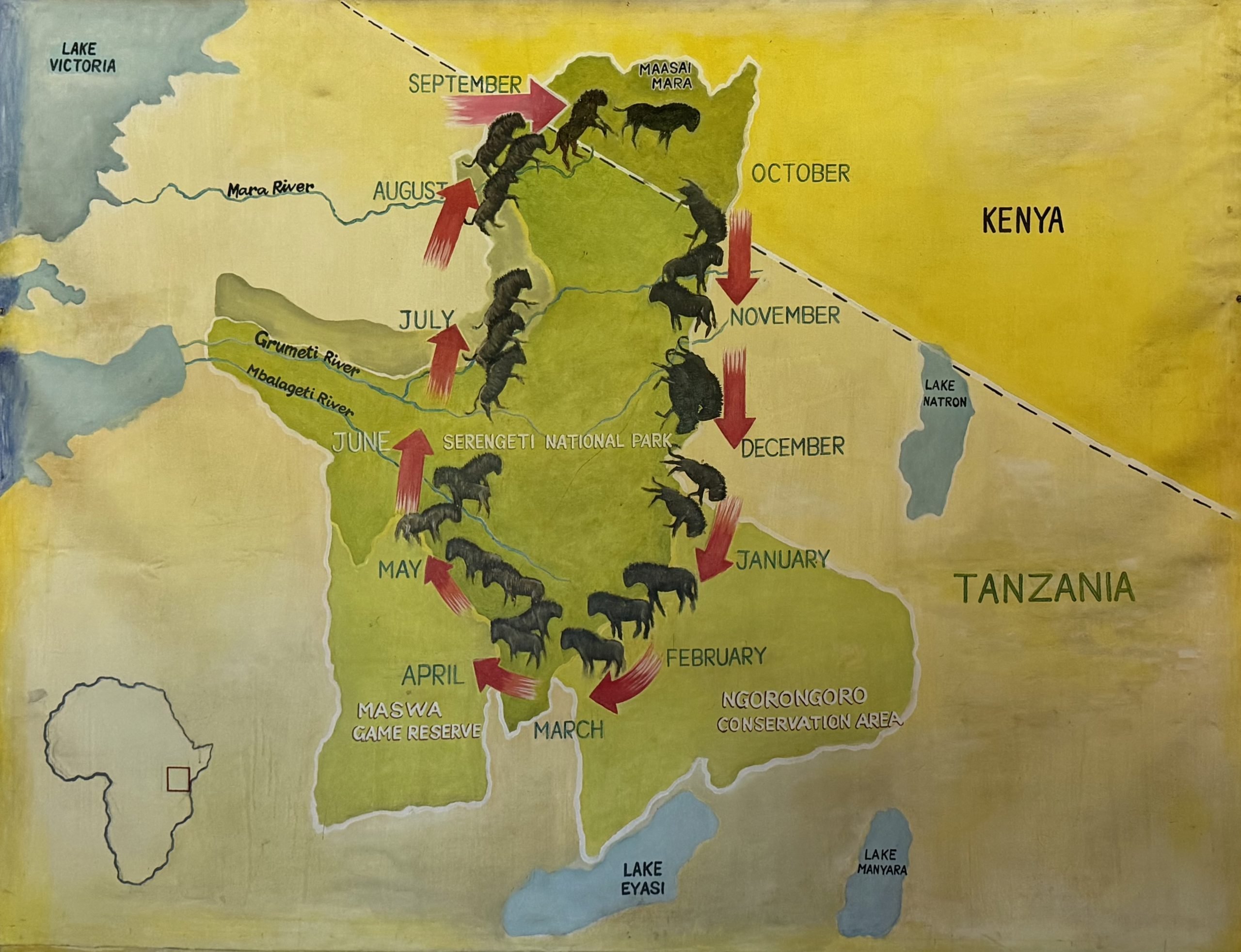
Map of Tanzania showing national parks and safari destinations including Serengeti and Ngorongoro

Climate in Tanzania & Zanzibar

Tanzania has a generally warm and pleasant climate throughout the year, with regional differences depending on altitude and location. Coastal areas and Zanzibar are warmer and more humid, while higher regions such as the northern safari parks and highlands enjoy milder temperatures.

Northern Tanzania (Safari Regions)

In areas such as the Serengeti, Ngorongoro, Tarangire, and Arusha, daytime temperatures are usually comfortable, especially in the mornings and late afternoons when wildlife is most active. Evenings can be cooler, particularly in higher areas like Ngorongoro.

Because Alex understands how temperature and light influence animal behaviour, he plans each day carefully. Early starts, quiet hours, and the right timing can make a noticeable difference — often allowing you to experience wildlife at its most active, before the day warms up.

Zanzibar & the Coast

Zanzibar has a tropical coastal climate with warm temperatures year-round. Days are sunny and relaxed, with cooling sea breezes and inviting ocean temperatures. It is an ideal place to unwind after a safari or mountain trek.

Temperature Overview

Daytime temperatures generally range between 25–30°C (77–86°F)
Mornings and evenings are cooler inland and at higher elevations
Coastal and island regions remain warm throughout the day

Alex takes climate, season, and daily temperature changes into account when shaping your itinerary. This attention to timing and conditions helps create a smoother journey and more meaningful wildlife encounters.

Rainy Seasons in Tanzania

Tanzania has two rainy seasons, which influence landscapes, travel rhythm, and wildlife movement — but they do not mean that travel is impossible or unpleasant. In fact, these periods often offer a very different and rewarding experience.

Long Rains — March to May

The long rains usually occur between March and May. Rain often falls in short, heavier showers rather than continuously throughout the day. During this period, the landscapes turn lush and green, rivers fill, and birdlife is at its most vibrant. Parks are quieter, and the atmosphere feels calm and fresh.

Short Rains — November

The short rains typically fall in November and are lighter and more unpredictable. Showers are often brief and followed by sunshine. Travel remains comfortable, and wildlife viewing is still very good in many areas.

Because Alex understands how rainfall affects roads, vegetation, and animal behaviour, he adjusts routes and daily planning accordingly. Certain areas become more rewarding during the rains, while others are better visited in drier months. This flexibility ensures that your journey remains smooth and enjoyable, regardless of the season.

Rather than avoiding the rainy seasons, Alex helps you understand what to expect and whether this period suits your travel style — offering honest advice based on experience.

Why Travel Tanzania with Alex

Alex was born and raised in Tanzania and has spent his entire life exploring the country — from the well-known parks to the most remote corners. This lifelong familiarity means he doesn’t just know where to go, but when to be there, and just as importantly, when not to. Journeys are designed with care and realism. Days are never overloaded, driving times remain comfortable, and each location is visited at the right moment of the day. This thoughtful pacing allows wildlife, landscapes, and experiences to unfold naturally — something guests consistently mention in their reviews.

Alex deliberately avoids shortcuts that compromise the experience. Safaris are never rushed, accommodation is carefully selected for comfort and atmosphere, and quality always comes before quantity. The focus is on creating journeys that feel calm, well-balanced, and genuinely enjoyable from start to finish.

What sets Alex apart is not just his experience, but his approach: clear communication, honest advice, and a deep sense of responsibility for every journey he designs. Traveling with Alex means traveling with confidence — knowing that every decision is made with care, experience, and respect for both the land and the people exploring it.

Flights & Airports

When planning your journey to Tanzania, the choice of airport depends on how you would like your trip to unfold. There is no fixed approach — everything is discussed and aligned with your wishes.

International Flights

Alex does not book any international flights. However, he is always happy to advise on the best airports, routes, and arrival points based on your itinerary. With his experience, he can help you choose the option that fits your travel plans best, ensuring a smooth start to your journey.

Kilimanjaro International Airport (JRO)

Kilimanjaro Airport is a natural entry point for northern Tanzania. It works very well for safaris to Serengeti, Ngorongoro, Tarangire, Lake Manyara, and Arusha National Park, as well as for Kilimanjaro trekking.

Dar es Salaam International Airport (DAR)

Dar es Salaam is a good choice if your journey focuses on the southern parks, such as Nyerere or Ruaha, or if you are combining mainland Tanzania with Zanzibar or the coast.

Domestic Flights

Domestic flights within Tanzania are easy to arrange and can significantly reduce travel time. Alex can organize these flights for you and make sure they fit naturally into your itinerary. On arrival at the airstrip or airport, you will be met and picked up, allowing the journey to continue smoothly.

All travel choices are discussed in advance and tailored to your needs, timing, and comfort — ensuring a relaxed and well-balanced journey through Tanzania.

Getting Around in Tanzania

Tanzania is a vast country, and travel times can vary depending on distance, road conditions, and the regions you visit. Moving through the landscape is part of the safari experience and is planned carefully to keep the journey comfortable, reliable, and well-paced. Most safari travel is done by private safari vehicle, allowing flexibility and a natural rhythm throughout the day. Roads within national parks are often unpaved, which makes experience, preparation, and equipment especially important.

Alex places great importance on the condition of his safari vehicles. Each vehicle is checked daily, both at the start and end of the day, kept clean, and maintained with care. Regular inspections and servicing ensure that the vehicle is reliable and ready for long days in varied terrain. This attention to detail helps keep the safari running smoothly. A well-maintained vehicle supports comfort, safety, and timing — allowing days to unfold as planned and keeping the focus on the experience rather than logistics.

For longer distances, domestic flights can be used to reduce travel time and maintain a relaxed flow through the itinerary. Whether traveling by road or by air, the goal is always the same: to move through Tanzania in a way that feels calm, considered, and enjoyable.

What to Expect on Safari

A safari in Tanzania is about more than wildlife sightings alone. It is a rhythm of early mornings, changing light, open landscapes, and time spent observing nature at its own pace. No two days are the same, and that is part of what makes a safari special.

With Alex’s tailor-made journeys, your personal wishes and interests are always taken into account. A private safari allows you to experience Tanzania at your own pace — focusing on what you enjoy most, whether that is photography, wildlife behaviour, quiet moments in nature, or simply taking your time.

Days usually start early, when temperatures are cooler and wildlife is most active. Game drives are unhurried, with space to stop, observe, and let moments unfold naturally. Midday often brings a slower pace, allowing time to rest or enjoy your surroundings before heading out again later in the day.

While your interests guide the journey, it is often best to let Alex lead the daily structure. His experience with timing, routes, and animal behaviour helps ensure you are in the right place at the right moment — something that greatly enhances the overall safari experience.

Distances are planned realistically, time is spent where it matters most, and the focus remains on quality rather than quantity. Wildlife encounters are never guaranteed, but thoughtful planning, patience, and local knowledge make each day rewarding in its own way.

A safari is immersive, grounding, and deeply memorable — shaped by nature, experience, and the way the journey flows.

Private vs Small Group Safaris

Both private and small group safaris offer wonderful ways to experience Tanzania — the right choice depends on how you like to travel and what you value most during your journey.

Private Safaris

A private safari means traveling exclusively with your own guide and vehicle. This offers maximum flexibility and allows the journey to unfold entirely at your own pace. Daily schedules can adapt to your interests, whether that means spending extra time with a particular wildlife sighting, focusing on photography, or enjoying quieter moments in nature.

With a private safari, your wishes form the foundation of the itinerary. At the same time, Alex’s experience plays a key role in guiding the daily rhythm. His understanding of timing, routes, and animal behaviour helps ensure that flexibility works in your favour rather than against the flow of the safari.

Small Group Safaris

Small group safaris are designed for travelers who enjoy sharing the experience with others, while still valuing comfort, space, and personal attention. Groups are kept intentionally small, allowing for a relaxed atmosphere and meaningful interaction with both the guide and fellow travelers.

These safaris follow a carefully planned structure, while still leaving room for spontaneous moments along the way. The balance between guidance and group dynamics creates a rewarding experience without feeling rushed or impersonal.

In both cases, Alex focuses on well-paced itineraries, realistic travel distances, and time spent where it matters most. Whether you choose a private safari or a small group journey, the emphasis remains on quality, comfort, and a natural flow through Tanzania’s landscapes.

Accommodation Standards

Accommodation plays an important role in the overall safari experience. It is not just about where you sleep, but about rest, atmosphere, location, and how well a place fits into the flow of the journey.

Alex carefully selects accommodations based on quality, comfort, location, and consistency. Rather than choosing places simply because they are popular, he looks at how they work in practice — how they are run, how they fit into the route, and how they contribute to a relaxed travel rhythm.

Across Tanzania, accommodations range from comfortable lodges and tented camps to more refined safari lodges with a strong sense of place. What they share is attention to detail, good service, and locations that allow you to experience nature without unnecessary travel time.

Because Alex knows the regions well, he is able to advise honestly on what suits your journey best. The goal is always to enhance the experience, avoid unnecessary compromises, and ensure that each overnight stay supports the overall quality of the safari.

What to Pack & Wear

Simple, comfortable clothing works best on safari. Neutral colors such as khaki, beige, or olive are practical, and lightweight long sleeves and trousers help protect against sun and insects. Early mornings and evenings can be cool, so a light jacket is always useful. Alex always has drinking water in the vehicle, and many lodges offer laundry service, so there’s no need to overpack. Safari vehicles have plenty of space for luggage, but soft bags are recommended instead of hard suitcases. It’s important that everything fits comfortably, so discussing your luggage with Alex in advance is always a good idea.

Although you may see people wearing slippers or dark clothing, closed shoes and lighter colors are simply more comfortable in a natural environment. Alex guides with experience and common sense — and following his advice makes your safari smoother, safer, and more enjoyable.

Safety & Health

Is Tanzania Safe to Travel?

Tanzania is a welcoming country that receives travelers from all over the world throughout the year. As with any destination, safety is closely linked to good preparation, clear planning, and informed decision-making.

Alex designs journeys with careful attention to travel distances, daily pacing, and time spent in each location. Routes are never rushed, and days are structured to allow enough time to experience a place properly. This approach helps create a calm and comfortable travel rhythm, avoiding the feeling of constantly moving or catching up.

By focusing on quality rather than quantity, and by choosing routes that flow naturally, travelers are able to enjoy Tanzania in a relaxed and confident way. As always, it is advisable to stay informed through official travel advice from your country of residence and to follow general travel guidelines while abroad.

Health & Vaccinations

Health recommendations for travel to Tanzania vary depending on your country of residence, personal health situation, and travel history. Alex therefore always advises consulting official health authorities or a medical professional in your home country for the most accurate and up-to-date guidance.

When planning a journey, Alex takes factors such as altitude, climate, travel distances, and length of stay into account. Itineraries are designed with enough time to rest, adjust, and enjoy each destination, rather than moving quickly from place to place.

This thoughtful approach helps support overall comfort and well-being during the journey. With proper preparation and guidance from official sources, most travelers experience Tanzania as a rewarding and comfortable destination.

Money, Payments & Tipping

The local currency in Tanzania is the Tanzanian Shilling (TZS). US dollars are widely accepted for most safari-related expenses, especially at lodges and camps. It is still useful to carry some cash for personal purchases and small expenses along the way.

All safari payments are handled securely via PayPal payment links. This allows guests to pay easily by credit card, Apple Pay or PayPal, without the need for international bank transfers.

Alex keeps tipping simple: tipping is never an obligation. It is a personal thank-you, not a rule. If the service felt good and you are happy — tip. If not, there is absolutely no pressure. Smiles are always free.

If you have any questions about payments, tipping or practical details, just ask. Everything can be discussed in advance, so you can focus fully on enjoying your journey.

How to Apply for a Tanzania Visa

Most travelers need a visa to enter Tanzania. Depending on your nationality, this can usually be arranged online before departure or upon arrival at the airport.

Visa regulations may change, so we kindly advise you to check the official guidelines issued by the Tanzanian authorities or the embassy relevant to your country of residence. This will ensure you have the most accurate and up-to-date information before traveling.

Arranging your visa in advance helps your journey start smoothly and without unnecessary stress. If you have specific questions about entry requirements, it is best to consult official sources prior to departure.

Getting Around in Tanzania

Tanzania is a vast country, and travel times can vary depending on distance, road conditions, and the regions you visit. Moving through the landscape is part of the safari experience and is planned carefully to keep the journey comfortable, reliable, and well-paced.

Most safari travel is done by private safari vehicle, allowing flexibility and a natural rhythm throughout the day. Roads within national parks are often unpaved, which makes experience, preparation, and equipment especially important.

Alex places great importance on the condition of his safari vehicles. Each vehicle is checked daily, both at the start and end of the day, kept clean, and maintained with care. Regular inspections and servicing ensure that the vehicle is reliable and ready for long days in varied terrain.

This attention to detail helps keep the safari running smoothly. A well-maintained vehicle supports comfort, safety, and timing — allowing days to unfold as planned and keeping the focus on the experience rather than logistics.

For longer distances, domestic flights can be used to reduce travel time and maintain a relaxed flow through the itinerary. Whether traveling by road or by air, the goal is always the same: to move through Tanzania in a way that feels calm, considered, and enjoyable.

Safaris Bookings
